Why Meditation Feels Hard: Meditation for Beginners Who Struggle to Stick With It
Struggling with meditation? This beginner-friendly guide explains why meditation feels hard and shares simple tools that help make meditation easier and more approachable.
MIND & CLARITY
1/5/20264 min read
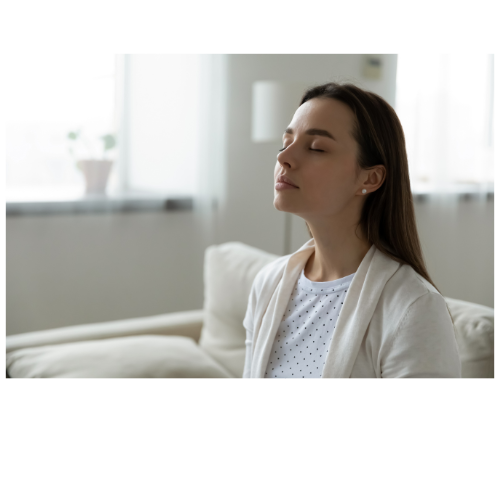
If you’ve ever tried to meditate and thought, “Why is this so uncomfortable?” or “Am I doing this wrong?”—you’re not alone. Many meditation beginners quickly realize that sitting still and quieting the mind isn’t as peaceful as it sounds.
Meditation is often presented as simple: sit still, clear your mind, breathe. But for many, that advice feels unrealistic at best and discouraging at worst.
Here’s the truth most people don’t hear early on:
Meditation isn’t hard because you’re bad at it. It feels hard because your nervous system hasn’t learned how to slow down yet.
The good news? You don’t need perfect focus, total silence, or years of practice to benefit. Sometimes, you just need the right kind of support.
As an Amazon Associate, GoodVibeFinds earns from qualifying purchases at no additional cost to you. This post may also include other affiliate links, shared with intention and aligned with mindful, intentional living.
Why Meditation Feels Hard for Beginners
Your Mind Is Used to Constant Stimulation
Modern life trains our brains to stay alert, busy, and responsive. When you suddenly remove stimulation, the mind doesn’t relax—it searches for something to do.
That constant stream of thoughts during meditation isn’t failure. It’s your brain adjusting to a new rhythm.
Sitting Still Can Feel Uncomfortable
For people living with stress or anxiety, slowing down can feel unfamiliar. Meditation brings awareness inward, which can initially heighten restlessness or discomfort.
This is why many beginner meditation tips that emphasize silence alone don’t work for everyone.
There’s Too Much Pressure to “Do It Right”
A common belief is that meditation means clearing your mind completely. In reality, meditation is about giving your nervous system something steady to follow—not forcing thoughts to stop.
That’s where meditation tools can make a big difference.
Meditation Tools That Help Beginners Stick With It
Meditation tools don’t replace the practice—they support it. Think of them as gentle guides that help your mind and body settle more easily.
Below are some highly rated, beginner-approved tools available on Amazon that make meditation feel more approachable. (Affiliate links highlighted in orange).
1. Visual Breathing Guides: A Game-Changer for Meditation Beginners
One of the hardest parts of meditation for beginners is breath awareness. Counting breaths can feel distracting, and guided apps don’t always resonate. Visual breathing guides solve this by giving your eyes something calm to focus on while your breath naturally slows.
Mindsight Breathing Buddha Guided Visual Mediation Tool
Soft changing lights guide slow breathing
Extremely popular for relaxation and nighttime meditation
Great for people who struggle to focus internally
Why it helps: You breathe with the light—no counting, no thinking.
2. Meditation Lights That Reduce Mental Effort
Meditation lights work similarly to breathing guides but offer a slightly more immersive experience. They’re ideal for people who say, “I can’t turn my brain off.”
MindPlace Limina Meditation Aid System
Color-changing light designed specifically for meditation
Used in mindfulness and relaxation practices
Helpful for visual thinkers and beginners
Why it helps: External focus quiets internal noise.
3. Simple Meditation Timers (Without Phone Distractions)
Using your phone to meditate can easily turn into scrolling. A dedicated timer creates a clear container for practice.
Visual countdown shows time passing gently
No notifications or interruptions - silent vibration mode
Encourages short, consistent sessions
Beginner tip: Even 3 - 5 minutes is enough to build the habit.
4. Sound-Based Meditation Support (Without Silence)
Total silence isn’t required for meditation—and for many beginners, it makes focus harder. Gentle sound gives the mind something neutral to rest on.
LectroFan EVO White Noise Machine
High-quality sound without looping
Popular for relaxation, meditation, and sleep
Helps soften intrusive thoughts
For another highly effective sound-based tool, see this article on What Are Binaural Beats—and Do They Actually Help You Meditate? A deeper look at sound-based meditation and how frequency can help the mind relax faster.
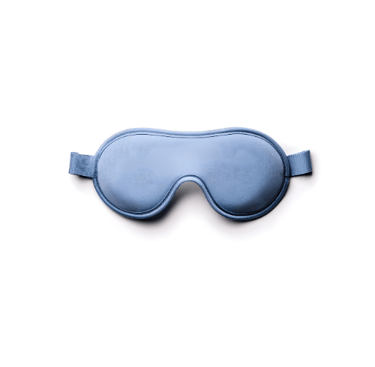
5. Eye Masks & Visual Rest Tools for Easier Focus
Closing your eyes doesn’t always calm the mind. Eye masks reduce sensory input and help the body relax more quickly.
Lightweight, contoured design
Blocks light without pressure on the eyes
Ideal for lying-down meditation or evening wind-downs
A Beginner Meditation Routine That Actually Feels Doable
If you’re struggling with meditation, try this simple approach:
Choose one tool (light, sound, or timer)
Set aside 3–5 minutes
Breathe slowly and naturally
Let thoughts come and go—no fixing or judging
Stop when the timer ends
That’s it. Progress over perfection with some gentle consistency.
Meditation Doesn’t Have to Be Hard
If meditation has felt frustrating, overwhelming, or uncomfortable, it doesn’t mean it’s not for you. It means your nervous system needs support—not silence. Meditation tools don’t make the practice less meaningful. They make it more accessible—especially at the beginning.
Once your body learns how to relax, meditation often shifts from effort…to relief.






Contact
contact@goodvibefinds.com
© 2026. All rights reserved.