What Are Binaural Beats — And Do They Actually Help You Meditate?
What are binaural beats and do they really help with meditation? Learn how binaural beats work, who they’re best for, and how beginners can use them to meditate more easily.
MIND & CLARITY
1/6/20264 min read


What Are Binaural Beats — And Do They Actually Help You Meditate?
If traditional meditation feels hard—especially sitting in silence—you may have heard about binaural beats and wondered if they’re just another wellness trend… or something that actually works.
For many people searching for meditation that’s easier, sound-based practices feel more approachable than breath or silence alone. And binaural beats are one of the most talked-about tools in that category.
So let’s break it down:
What binaural beats are
How they work
Whether they actually help with meditation
And who they’re best for
What Are They?
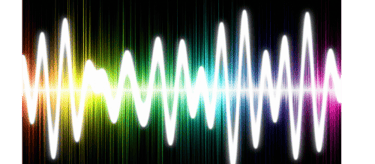
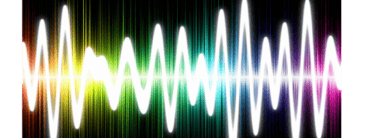
Binaural beats are an audio-based meditation tool created by playing two slightly different sound frequencies—one in each ear—using headphones.
Your brain doesn’t hear the two tones separately. Instead, it perceives a third “beat” that represents the difference between them.
That perceived beat encourages the brain to shift into a specific mental state.
Example:
Left ear: 200 Hz
Right ear: 208 Hz
Brain perceives: an 8 Hz beat
(8 Hz frequency aligns with relaxed, meditative brain states.)
How Do They Affect the Brain?
Our brains naturally move through different wave states throughout the day. Binaural beats are designed to support those states intentionally.
Common Brainwave States Used in Meditation
Alpha (8–12 Hz): Calm, relaxed, present
Theta (4–7 Hz): Deep meditation, creativity, light sleep
Delta (0.5–4 Hz): Deep rest and sleep
Binaural beats don’t force your brain into these states—but they can make it easier to settle into them, especially for beginners.
Do Binaural Beats Actually Help You Meditate?
Short answer: Yes—for the right people.
Binaural beats are especially helpful if:
You struggle with racing thoughts
Silence makes meditation harder
You’re new to meditation
You prefer passive, guided support
Instead of trying to control your thoughts, binaural beats give your brain something steady to follow.
How to Meditate With Binaural Beats (Beginner Method)
If you’re new, keep it simple:
Put on your headphones
Choose a 10–15 minute binaural beat track
Sit or lie down comfortably
Close your eyes
Breathe naturally
Let the sound do the work
Common Myths About Binaural Beats
“They’ll control your brain”
They won’t. Binaural beats support natural brain states—they don’t override free will or awareness.
“They only work if you believe in them”
Many people notice benefits simply because the sound provides structure and consistency—belief isn’t required.
“They replace meditation”
They’re a tool, not a replacement. Many people use binaural beats as a gateway into meditation, then explore other practices later.
Who Binaural Beats Are Best For
Binaural beats tend to work well for:
Meditation beginners
Highly mental or analytical thinkers
People with anxiety or restlessness
Anyone who struggles with silent meditation
If breath-focused meditation hasn’t clicked for you yet, sound-based meditation may feel far more accessible and binaural beats can be a gentle entry point.

What You Need to Use Binaural Beats
Binaural beats are simple to try, but a few things matter.
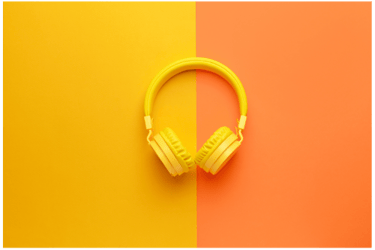
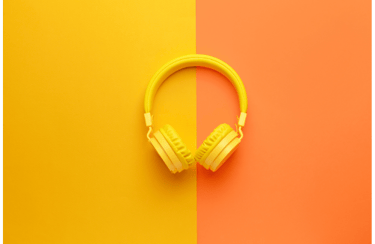
1. Headphones Are Required - Because each ear needs a different frequency, stereo headphones are essential. Noise canceling is a bonus, though not a requirement.
In-ear headphones can work for binaural beats if they fit well and create a good seal, but over-the-head headphones tend to be the better choice. Their closed-back design blocks out more outside noise and stays comfortable during longer sessions, making it easier to fully relax and let your brain pick up on the subtle differences between tones.
Here are a few options to research:
(affiliate links in orange)
Yamaha HPH-50B — Compact closed-back headphones with balanced frequency response, perfect for precise binaural beat listening without added bass or treble.
While not high-end audiophile headphones, the HPH-50B provides a very good experience for beginners and budget-conscious users looking to get into binaural beats without spending a lot
Sony WH-1000XM6 — Flagship noise canceling headphones with ability to disable immersive audio for neutral playback. 12-microphone system captures nuanced binaural frequencies effectively. Wireless with exceptional battery life.
2. A Reliable Source
You can access binaural beats through:
Meditation apps
YouTube
Downloaded audio tracks
Music apps
3. A Comfortable Environment
Binaural beats work best when your body feels supported.
Optional supports:
Eye mask
Reclined position
Dim lighting
As an Amazon Associate, GoodVibeFinds earns from qualifying purchases at no additional cost to you. This post may also include other affiliate links, shared with intention and aligned with mindful, intentional living.
Related Reading
Why Meditation Feels Hard (And the Tools That Help Beginners Stick With It)
A beginner-friendly guide to meditation tools that make practice easier.


Contact
contact@goodvibefinds.com
© 2026. All rights reserved.