9 Grounding Techniques to Reset Your Nervous System (Plus the At-Home Tool That Takes It Further)
Feeling wired but exhausted? Discover 9 simple grounding techniques to calm and reset your nervous system — from barefoot earthing to cold water resets — plus how at-home PEMF and infrared therapy can take your recovery even deeper.
ENERGY & MOOD
7/23/20266 min read


GoodVibeFinds earns from qualifying purchases at no additional cost to you. This post includes affiliate links, shared with intention and aligned with mindful, intentional living.
If you've been feeling wired, tense, or just a little disconnected from your own body lately, you're not imagining it. Chronic stress keeps the nervous system stuck in a low-grade "on" state, and most of us never fully downshift out of it.
Grounding — the practice of reconnecting your body to a calmer, more regulated state — is one of the most research-backed ways to interrupt that cycle.
The good news: grounding doesn't require a retreat or a total lifestyle overhaul. Some of the most effective techniques take two minutes. Others, like the tools below, are designed to help you go deeper when you have more time to invest in your own recovery. Here are nine ways to reset your nervous system, starting with the simplest and building toward a more intentional at-home practice.


Why Your Nervous System Needs Attention (Even If You've Never Thought About It Before)
If you didn't grow up hearing the phrase "nervous system regulation," you're not alone — it's a fairly new addition to the wellness vocabulary, even though the underlying science has been around for decades. In plain terms: your nervous system is what decides, moment to moment, whether your body feels safe or threatened. When it senses safety, it can rest, digest, repair, and sleep well. When it senses stress — whether that's a real emergency or just a full inbox and a long to-do list — it shifts into a more alert, defensive state, releasing hormones like cortisol and adrenaline to help you respond.
The problem is that most modern stress isn't the kind you can outrun or fight off. It's ongoing: financial pressure, notifications, packed schedules, difficult relationships. Without a clear "all clear" signal, many people's nervous systems simply stay switched on for years at a time. Over time, that constant low-grade alert state has been linked to poor sleep, digestive issues, tension and pain, irritability, and difficulty concentrating.
This is exactly why grounding and nervous system care have become such a focus in wellness circles. These practices aren't about achieving some elusive state of permanent zen — they're about giving your body clear, repeated signals that it's safe to stand down, so it can actually rest and recover the way it's designed to. The techniques below are simple, practical ways to send that signal.


1. Barefoot Earthing Outdoors
Walking barefoot on grass, sand, or soil allows your body to make direct contact with the earth's surface, which some research suggests may help discharge built-up static electrical charge and support a sense of physical calm. It's one of the simplest entry points into grounding, and it costs nothing but a few minutes outside.


2. Cold Water Face Immersion
A quick splash of cold water — or a brief face dunk in a bowl of ice water — triggers what's known as the mammalian dive reflex, which can slow heart rate and shift the body out of fight-or-flight almost immediately. It's a favorite quick-reset tool among nervous system practitioners for a reason: it works fast.


3. The Physiological Sigh
This breathing pattern involves a double inhale through the nose followed by a long, slow exhale through the mouth. Research out of Stanford has identified it as one of the fastest voluntary ways to lower physiological arousal in real time, making it a good option when you need calm on the spot.


4. Humming or Vagal Toning
The vagus nerve, a key player in your body's rest-and-digest response, runs directly past your vocal cords. Gentle humming creates a vibration that stimulates this nerve, which may help shift your body toward a calmer state. Try it for a minute or two while stretching or during a quiet moment.

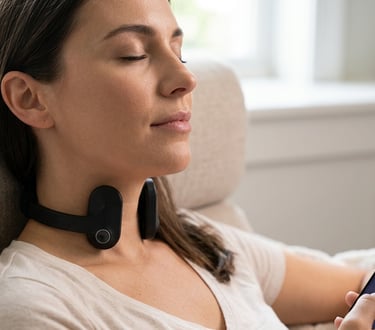
If you want a more targeted approach to vagus nerve stimulation, a tool like the Pulsetto FIT is designed to do this work for you.
5. Weighted Blanket Therapy
Deep pressure stimulation — the kind you get from a weighted blanket — mimics the calming sensation of a hug or swaddle. Many people find it supports easier sleep onset and a quieter mind, especially when paired with a wind-down routine in the evening.


6. Indoor Grounding Mats
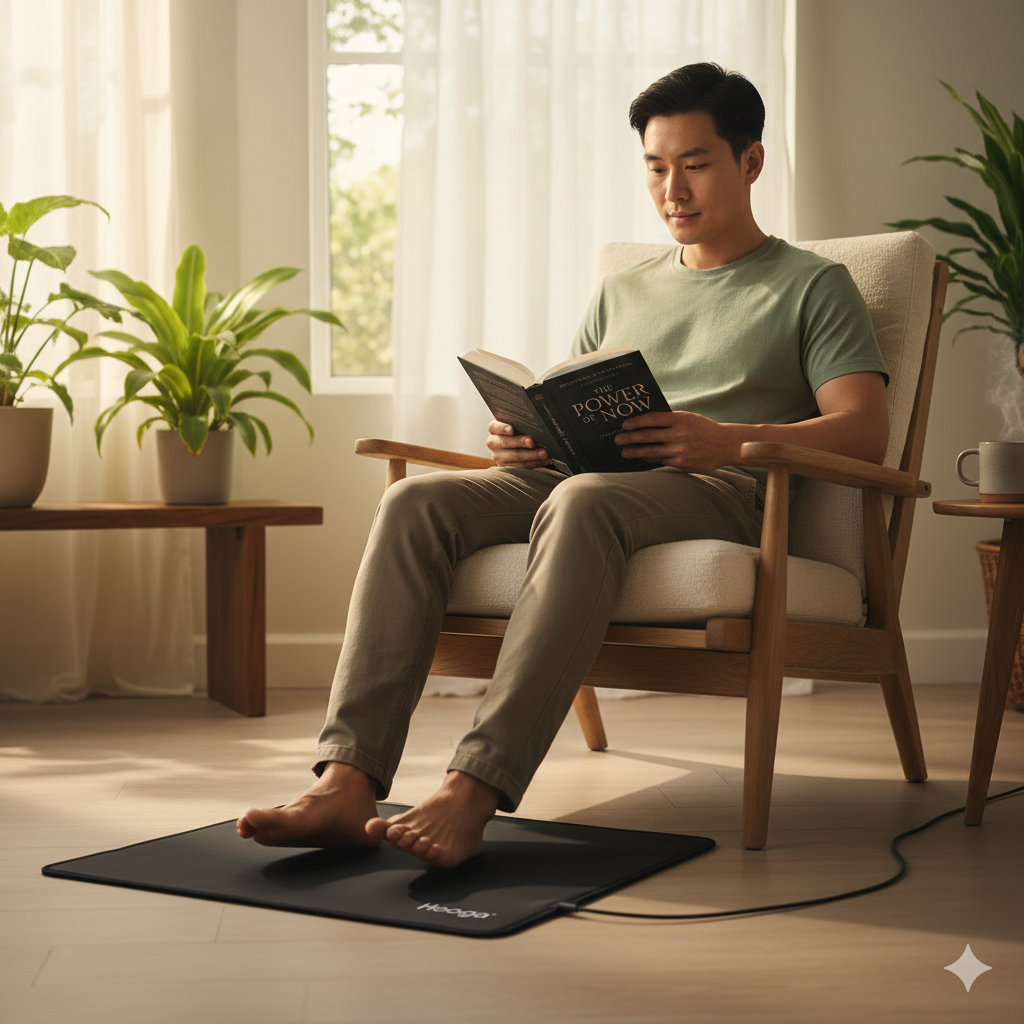
On days when getting outside isn't realistic, an indoor grounding mat offers a similar earthing connection from your couch or bed. If you want to go deeper on this option, I've written a full breakdown of the Ober grounding mat and how it compares to outdoor earthing.
7. Progressive Muscle Relaxation
This technique involves systematically tensing and releasing muscle groups, from your feet up to your shoulders. It signals safety to the nervous system by giving it something concrete to release, and it's especially useful before bed or after a stressful day.


8. Forest Bathing and Intentional Nature Time
Unlike a workout walk, forest bathing has no pace or destination. The practice is simply slow, sensory-focused time outdoors — noticing light, texture, and sound. Research on time in nature consistently links it to lower cortisol and improved mood, even in short sessions.


9. PEMF + Infrared Mat Therapy
For a more comprehensive at-home reset, the HigherDOSE Infrared PEMF Pro Mat combines several of the benefits above into one session. It layers Pulsed Electromagnetic Field (PEMF) therapy — which uses gentle electromagnetic pulses to mimic the earth's natural frequencies — with deeply penetrating infrared heat and a bed of amethyst and tourmaline crystals.
The mat offers four adjustable frequency settings, ranging from a low 3 Hz "sleep" setting to higher-frequency options designed for focus and energy, so you can tailor each session to what your nervous system needs that day. Twenty minutes lying on the mat blends the grounding effect of earthing, the muscle-relaxing benefit of heat therapy, and a built-in wind-down window — making it one of the more complete tools for people who want a dedicated nervous system reset without leaving home.
It pairs especially well with other tools in this space. If you're already using the Pulsetto FIT for vagus nerve stimulation, the PEMF Mat makes a natural next step for a fuller at-home recovery stack.


Building Your Own Grounding Practice
You don't need to do all nine of these every day. Start with one or two that feel realistic — a physiological sigh during a stressful moment, a barefoot walk on your lunch break — and build from there.
For a deeper, more dedicated reset, a tool like the PEMF Pro Mat gives your nervous system a consistent, intentional space to downshift, especially on the days when willpower alone isn't enough.
This post is not a substitute for professional medical advice. If you have a pacemaker, other implanted electrical device, are pregnant, or have a bleeding disorder, consult your healthcare provider before using PEMF or infrared therapy devices. This post contains affiliate links, and I may earn a commission from qualifying purchases at no additional cost to you.
Contact
contact@goodvibefinds.com
© 2026. All rights reserved.